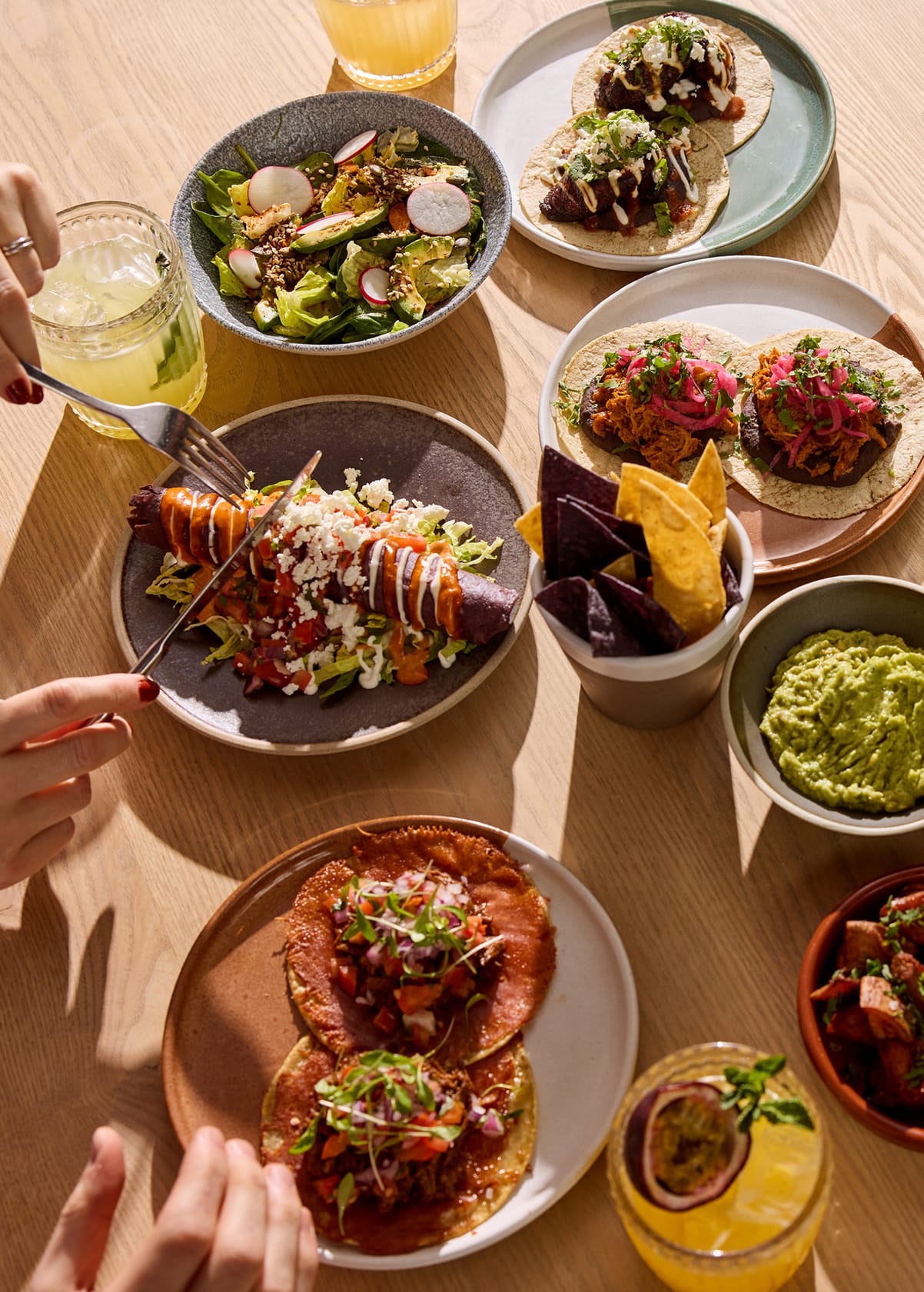
A selection of wahaca dishes
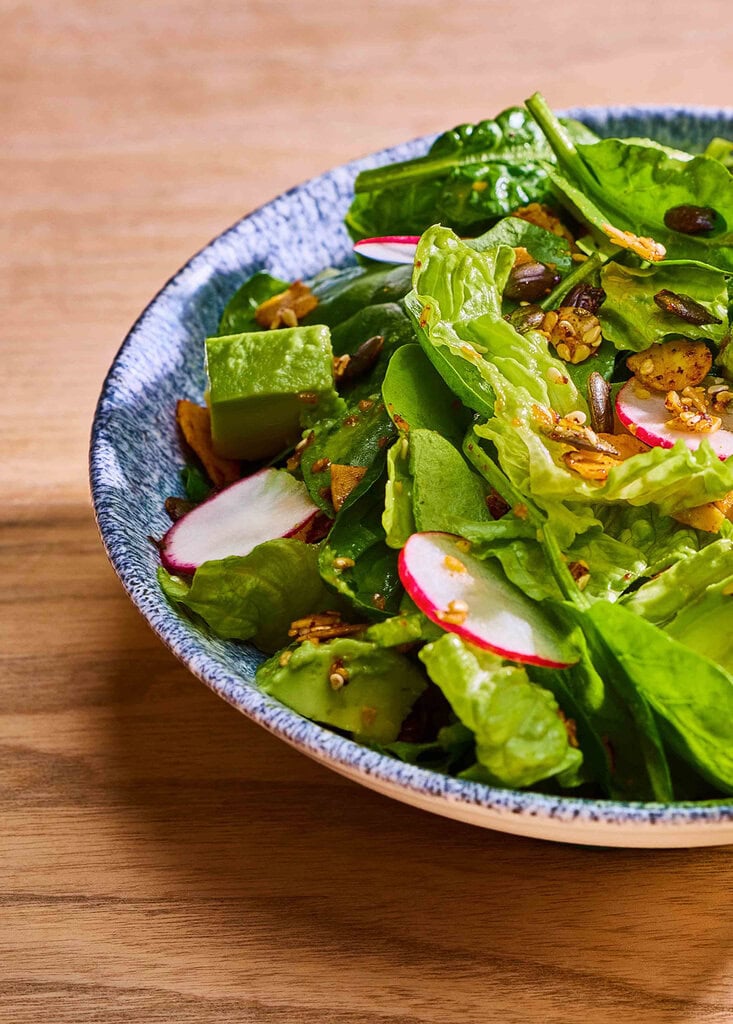
Avocado, cos and spinach salad

FOOD FOR THE PLANET

At Wahaca we understand that climate change is the single biggest issue facing humanity. We want to help everyone make choices that are better for the planet, so we've added the carbon impact of our dishes to our menu.

Food is responsible for 28% of global emissions, more than ever before we're thinking about how what we eat can make a difference.
Illustration of citrus fruit

PLANET-FRIENDLY CHOICES

To reduce our impact on the planet, we know a sustainable diet needs to be predominantly plant based. At Wahaca we have spent a lot of time and love creating dishes we love and a menu that is over 50% vegetarian.

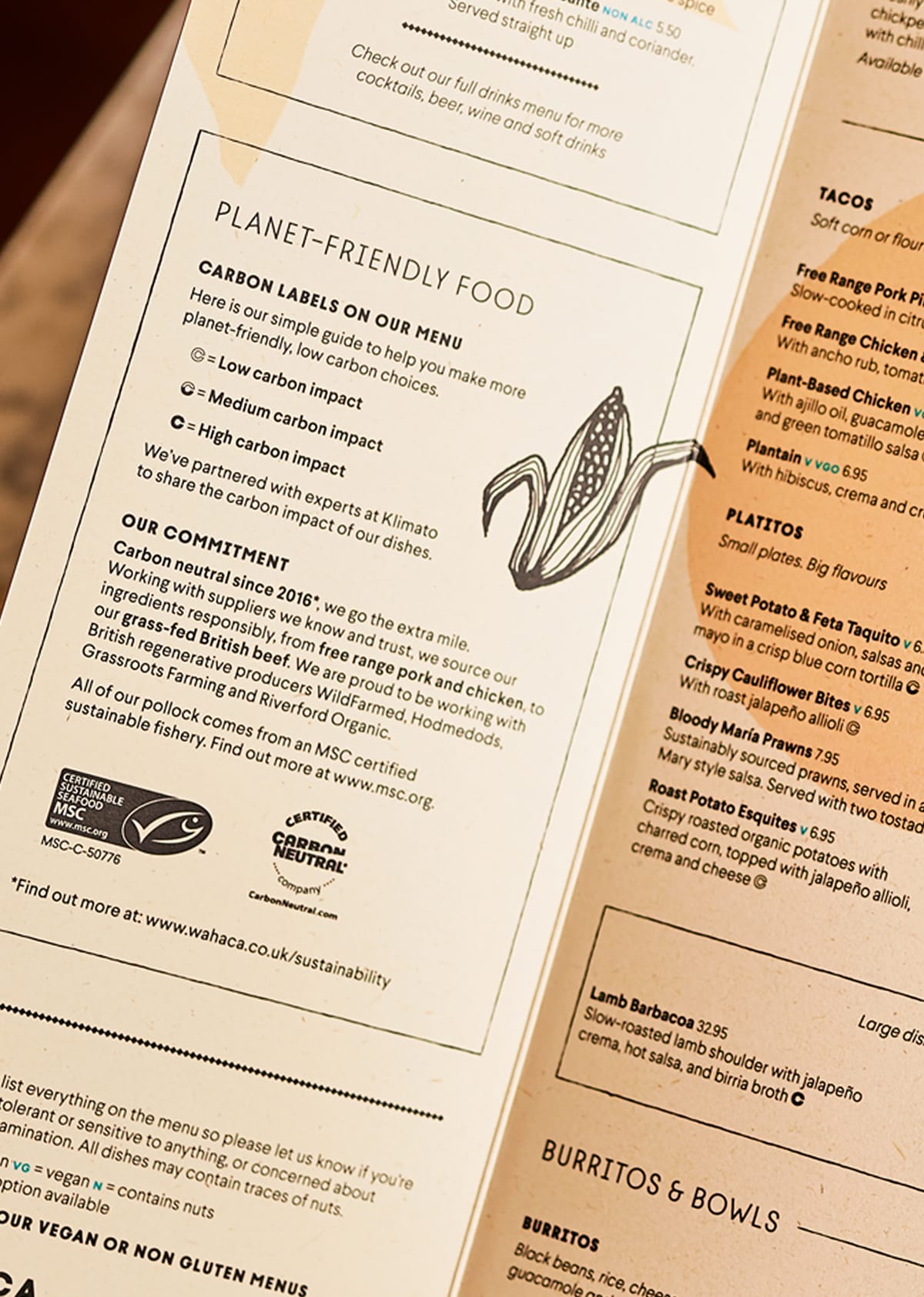
Our menu tells you which dishes have a low, medium or high carbon impact, so you have the tools you need to make more informed choices about what to eat.
Illustration of fresh corriander
Carbon labelling on our menu explained
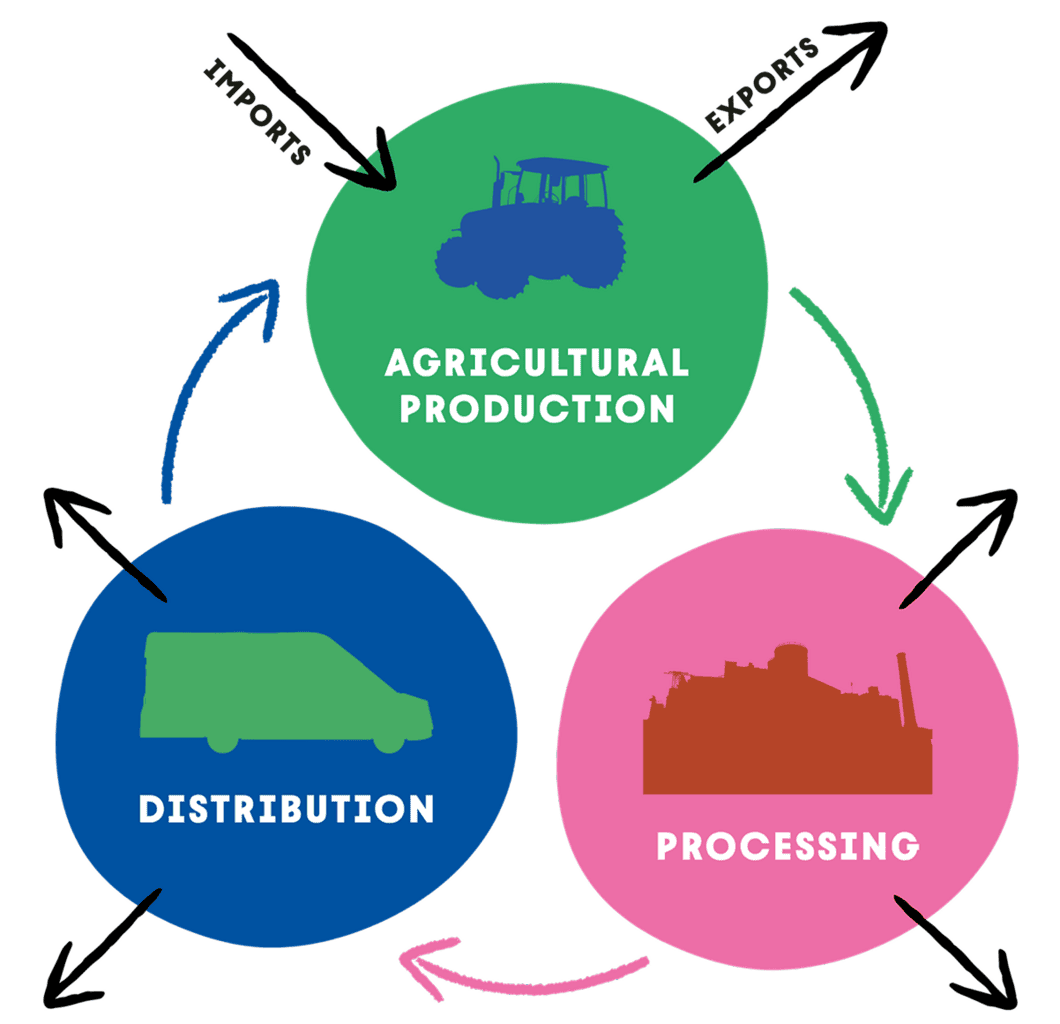
Diagram showing that agricultural production, processing and distribution all contribute to our carbon footprint of food

WHAT'S INCLUDED IN CALCULATING A CARBON FOOTPRINT?

We've teamed up with My Emissions to measure and rate the carbon emissions of our dishes. These ratings are grounded in the latest climate science, so you can trust they are in line with the most up-to-date research.

On the Wahaca menu, you'll see the ratings grouped into 'low', medium', and 'high' categories:
LOW:
Foods with emissions below 1.75 kg CO2e per kg of food
MEDIUM:
Foods with emissions between 1.75 and 4.25 kg CO2e per kg of food
HIGH:
Foods with emissions above 4.25 kg CO2e per kg of food
Choosing foods with a 'low' rating helps you stay within the sustainable diet boundaries set by the EAT-Lancet Commission. This boundary is designed to ensure that our global food system can nourish a growing population while minimising our impact on the climate. 
PLANET-FRIENDLY FOOD CHOICES

Meat and dairy, particularly beef, produce the most greenhouse gas emissions. Where ingredients come from and how they are transported also make a difference.

At Wahaca we try to source everything we can from as close to home as possible and don't fly ingredients to the UK.

We make a big effort to create delicious plant-based dishes, using a variety of vegetables, pulses, whole grains, nuts, seeds and herbs.
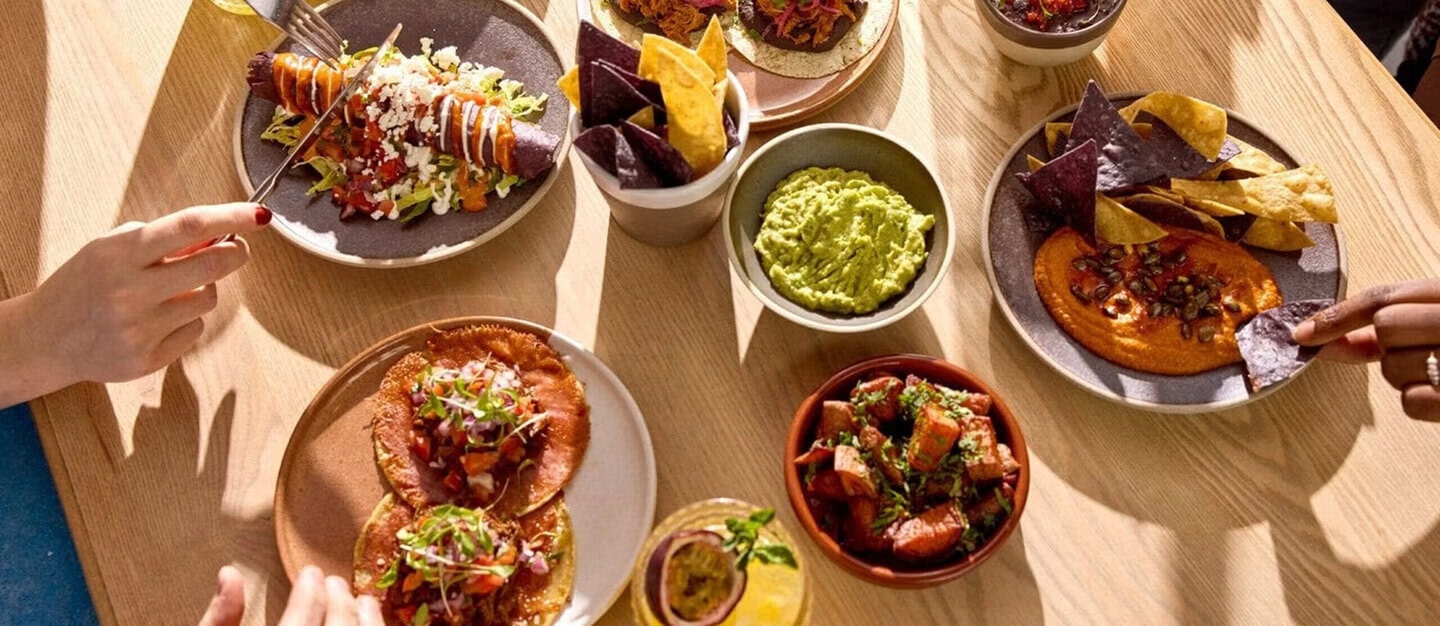
Some wahaca dishes on a table
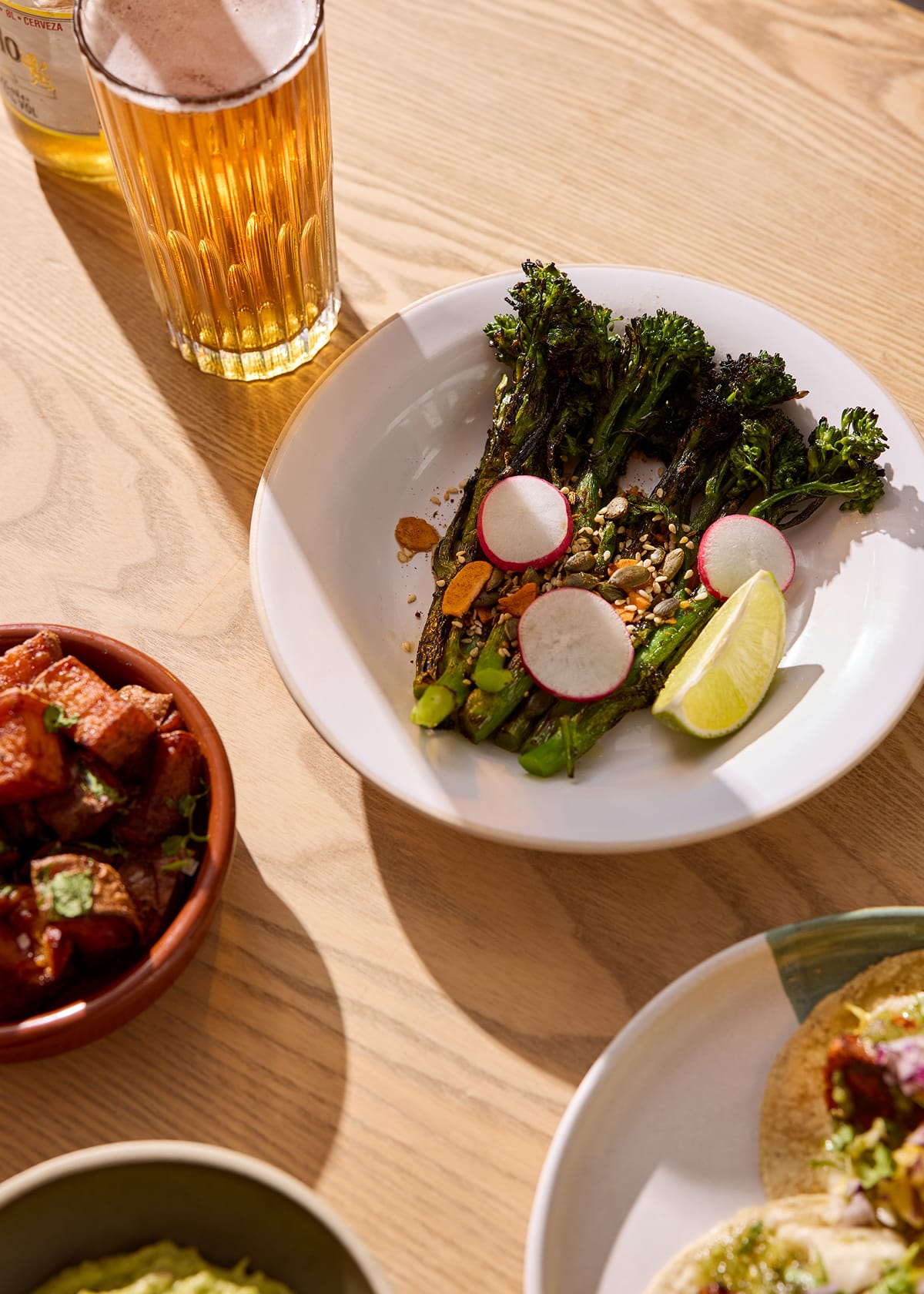
A selection of Wahaca dishes

WHAT EMISSIONS ARE RELATED TO EACH DISH?

If you're interested in finding out more, take a look at the carbon count for each dish and the ranges for low, medium and high carbon dishes.
Our carbon counts

WHAT IS CARBON INTENSITY?

Carbon intensity measures the emissions per unit of food weight. The standard way to do this is emissions per kilogram of food (kgCO2e/kg), which aligns with how food c/kals are calculated per 100g.
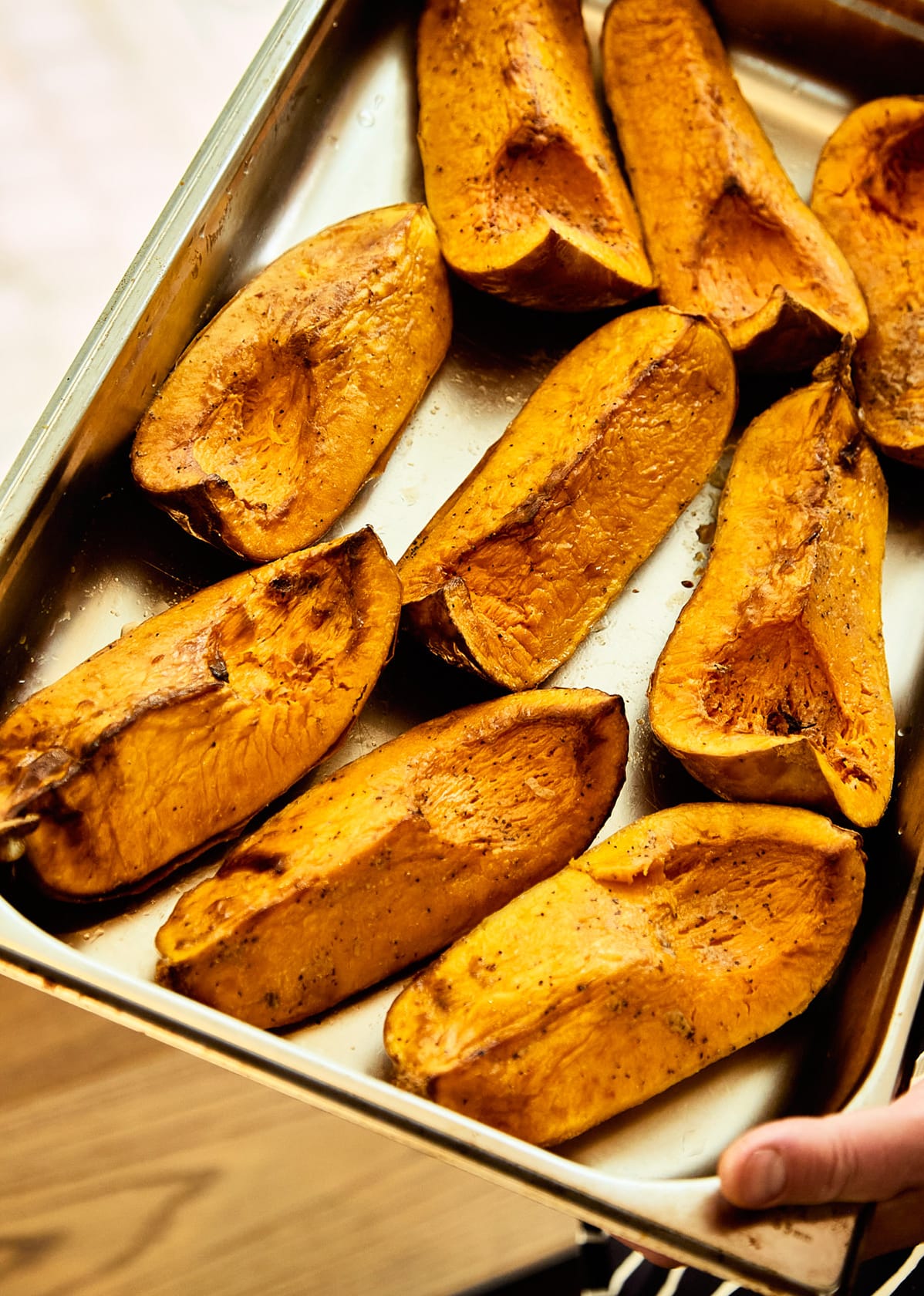
Tray of roasted squash
Food made good 3 star rating awarded in 2024

CARBON'S ONLY PART OF THE STORY

Sustainability is a complex issue. Carbon is one important metric, but it is also important to look at other issues, such as soil health, water usage, biodiversity, regenerative farming, animal welfare and the impact ont he people within our supply chain.

This is why we are guided by the Food Made Good framework and partner with suppliers championing sustainable and regenerative farming, like Hodmedods and Riverford Organic.
Book Now